

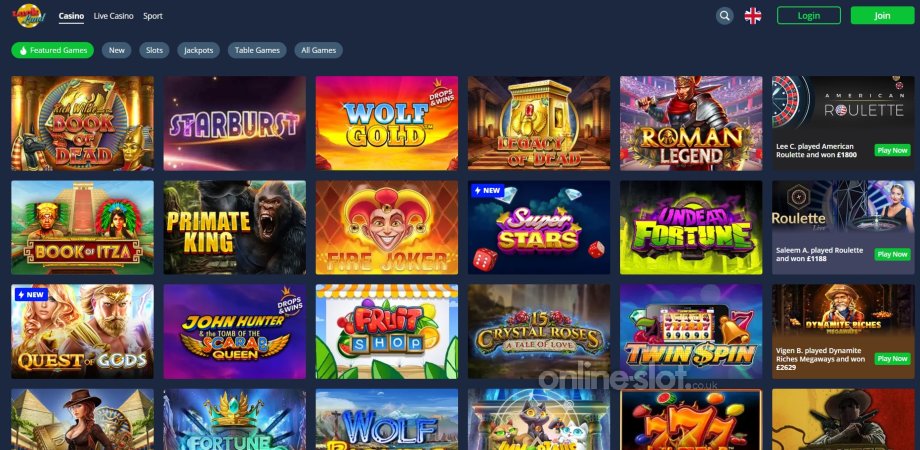
Ringospin Casino s’apprête à redéfinir le jeu en ligne en Belgique grâce à sa vaste gamme de jeux classiques et contemporains. La plateforme se caractérise par des graphismes de dernier cri et une interface facile à utiliser qui attirent aussi bien les joueurs vétérans que les novices. De plus, elle se concentre sur la sécurité et le service client, faisant ainsi un environnement de fiabilité pour les joueurs. Alors que le casino introduit diverses promotions, des questions se posent quant à son impact à long terme sur le paysage du jeu en Belgique. Quels modifications cela pourrait-il provoquer pour les joueurs et la concurrence ?
Sélection de jeux inégalée
Au casino Ringospin, les joueurs trouvent une gamme de jeux incomparable qui satisfait à tous les préférences et toutes les inclinations. Ce répertoire hétérogène contient des jeux de table anciens, une large gamme de machines à sous et des aventures engageantes avec croupiers en direct. Des éditeurs de logiciels de renom participent à des graphismes de dernier cri et à des caractéristiques nouvelles, garantissant une expérience de jeu de haute qualité. Les joueurs peuvent profiter d’une diversité de ambiances et de structures de mise, améliorant ainsi leur expérience globale. De plus, le casino rafraîchit souvent son offre, ajoutant de nouveaux jeux qui suivent les courants actuelles et les préférences des joueurs. Cet engagement envers la variété permet non seulement de rafraîchir constamment l’expérience de jeu, mais aussi d’attirer un large public, des nouveaux venus aux joueurs chevronnés. En définitive, la sélection de jeux inégalée du casino Ringospin fournit un environnement favorable à l’exploration et à la domination.
Assistance clientèle dynamique
Conscient de l’importance d’une support immédiate et performante, Ringospin Casino propose un service client proactif et attentif aux besoins de ses joueurs. Cet engagement se traduit par de divers canaux, dont le chat en direct, l’e-mail et l’assistance téléphonique, garantissant aux joueurs des réponses immédiates et précises à leurs demandes. L’équipe d’assistance est compétente, maîtrise parfaitement la système de jeu et est en mesure de traiter efficacement tous les soucis, de la gestion de compte aux pannes techniques. De plus, Ringospin accorde une grande importance aux commentaires clients et perfectionne constamment ses offres en fonction de l’retour des joueurs. Cette stratégie anticipative augmente non seulement la contentement des utilisateurs, mais favorise également un ressenti d’appartenance à une groupe, positionnant Ringospin comme un pionnier du jeu en ligne axé sur le client en Belgique. Ce service client impeccable démontre de l’engagement du casino à proposer une vivance de jeu exceptionnelle.
Expérience de jeu mobile
L’expérience de jeu mobile sur Ringospin Casino se distingue par la fluidité de sa navigation, permettant aux utilisateurs de passer aisément d’une section à l’autre. Grâce à une sélection diversifiée de jeux accessibles du bout des doigts, les joueurs peuvent facilement trouver leurs titres préférés ou découvrir de nouvelles options. Des graphismes améliorés enrichissent encore cette expérience, créant un environnement captivant qui captive les utilisateurs sur leurs appareils mobiles.
Navigation fluide dans l’application
Une session de jeu mobile de qualité repose sur une parcours fluide, gage d’participation et de plaisir pour les utilisateurs. Ringospin Casino brille dans ce domaine, offrant une interface ergonomique qui simplifie le cheminement utilisateur. Chaque élément est soigneusement positionné, permettant aux joueurs d’accéder promptement aux jeux, aux promotions et aux paramètres de leur compte, sans interférences inutiles. Le design adaptatif garantit une aisance de jeu optimale sur tous les écrans, pour une expérience sans effort. De plus, la uniformité des éléments graphiques – icônes, couleurs et polices – crée un environnement familier, réduisant la charge cognitive. L’intégration de actions comme le balayage et le toucher fluidifie la navigation et encourage les sessions de jeu prolongées. Ainsi, l’approche de Ringospin Casino en matière de navigation renforce non seulement l’expérience utilisateur, mais retient également les joueurs, le plaçant comme un chef de file du marché des jeux en ligne.
Choix de jeux variée
Si beaucoup de casinos en ligne proposent une variété de jeux, Ringospin Casino se distingue par une gamme particulièrement diversifiée, adaptée à tous les types de joueurs. Ce casino propose un répertoire entier, incluant des jeux de table typiques, une multitude de machines à sous et des aventures innovantes avec croupiers en direct. Les joueurs peuvent s’aventurer dans des jeux traditionnels comme le blackjack et la roulette, tout en explorant une variété de machines à sous à thème offrant des intrigues et des mécanismes exclusifs. De plus, la gamme inclut des titres spéciaux aux côtés de franchises réputées, captivant ainsi les joueurs chevronnés comme les novices. L’dévouement de Ringospin Casino pour la variété garantit que chaque style de jeu est considéré, optimisant ainsi l’expérience de jeu mobile et autorisant aux utilisateurs de profiter de leurs jeux préférés n’importe où.

Expérience graphique améliorée
L’expérience de jeu mobile de Ringospin Casino se distingue par une qualité visuelle immersive, offrant aux joueurs des graphismes impressionnants qui améliorent l’expérience de jeu. Le casino utilise une technologie de pointe, garantissant des détails haute définition et des animations fluides qui transportent les utilisateurs dans un univers virtuel fascinant. Les joueurs profitent de personnages détaillés, d’arrière-plans dynamiques et de systèmes de jeu visuellement impressionnants qui renforcent leur engagement. Grâce à des visuels ajustables optimisés pour différentes tailles d’écran, l’expérience reste fluide sur tous les appareils, des smartphones aux tablettes. Cet engagement envers l’excellence visuelle crée non seulement une interface attrayante, mais contribue également à une liaison émotionnelle plus profonde avec les jeux. Ringospin Casino, toujours plus créatif, promet aux joueurs un environnement visuel toujours plus sophistiqué qui rehausse l’excitation du jeu en ligne.
Promotions et bonus extraordinaires
Au casino Ringospin, les joueurs sont reçus par une variété de promotions et de bonus alléchants qui améliorent leur expérience de jeu et augmentent leurs gains potentiels. Ces offres sont soigneusement conçues pour séduire les nouveaux joueurs comme les réguliers, avec des bonus de bienvenue généreux, des tours gratuits et des récompenses de fidélité qui encouragent une pratique régulière. Le casino propose un programme de fidélité à plusieurs niveaux, permettant aux joueurs de progresser et d’accéder à des bénéfices exclusifs. De plus, des promotions saisonnières et des tournois encourageant la compétition offrent aux joueurs des chances uniques de remporter des prix considérables. En utilisant stratégiquement ces promotions, les joueurs peuvent étendre leur temps de jeu et amplifier leurs chances de décrocher le jackpot. En somme, l’engagement du casino Ringospin à offrir une plus-value grâce à ses promotions conforte sa réputation de destination de choix pour les jeux en ligne en Belgique.
Mesures de sécurité robustes
La protection demeure une préoccupation majeure pour les utilisateurs en ligne, et Ringospin Casino se distingue dans la mise en œuvre de mesures solides pour protéger les données des utilisateurs et garantir une expérience de jeu fiable. Grâce à des technologies de cryptage avancées, Ringospin assure la protection des informations sensibles, telles que les transactions financières et les données personnelles, contre toute violation potentielle. Le casino respecte également des normes réglementaires strictes et effectue des audits fréquents afin de garantir sa conformité et de renforcer la confiance des joueurs. De plus, l’authentification multifacteurs offre une sécurité accrue, protégeant les comptes contre tout accès non autorisé. La politique de confidentialité transparente de Ringospin Casino détaille l’utilisation des cookies et le traitement des données, permettant ainsi aux utilisateurs de prendre des décisions informées. Par ces stratégies strictes, Ringospin privilégie la sécurité et réaffirme son engagement à créer un environnement de jeu en ligne sûr pour tous ses clients.
Interface intuitive
Une interface amicale est essentielle pour une aventure de jeu idéale sur Ringospin Casino. Grâce à sa exploration simple et intuitive, les joueurs accèdent facilement à leurs divertissements favoris. De plus, la compatibilité sur mobile garantit une session de jeu fluide sur tous les appareils, satisfaisant ainsi aux exigences des utilisateurs contemporains.
Conception de navigation facile
Une exploration intuitive participe grandement à l’expérience de jeu optimale sur Ringospin Casino. L’plateforme facilite une communication sans heurts en classant les divertissements et les fonctionnalités de manière intuitive, autorisant ainsi aux joueurs de découvrir vite leurs choix préférées. Des indicateurs visuels précis et des listes organisés préviennent toute désorientation et encouragent une exploration efficace de l’proposition de la site. Les caractéristiques fondamentales, telles que la exploration et les filtres, sont soulignées, répondant aux besoins des utilisateurs débutants comme des utilisateurs expérimentés à la recherche de genres de jeux ou de sujets particuliers. De plus, la design adaptative garantit des performances optimales sur tous les dispositifs, améliorant ainsi l’accès. Cette méthode réfléchie de la navigation contribue non seulement à la satisfaction des joueurs, mais encourage également leur implication, les incitant à retourner fréquemment et à explorer de nouveaux divertissements au sein du large catalogue de Ringospin Casino.
Aventure utilisateur intelligente
S’appuyant sur une navigation intuitive, l’expérience utilisateur captivante de la plateforme Ringospin Casino est encore rehaussée. L’interface, conçue avec soin, offre une interaction fluide et permet aux utilisateurs d’explorer facilement les différentes options de jeu. Une catégorisation claire des jeux, des pages à chargement rapide et un design adaptatif favorisent une expérience utilisateur optimale. De plus, l’utilisation stratégique d’éléments visuels et ludiques intensifie l’enthousiasme tout en préservant la lisibilité de l’interface. Chaque fonctionnalité est stratégiquement positionnée, réduisant la charge cognitive et assurant une exploration aisée. Des options d’accessibilité améliorées répondent également aux exigences diverses des joueurs, confirmant l’engagement de Ringospin en faveur de l’inclusion. Cette stratégie intégrée améliore non seulement la satisfaction des joueurs, mais encourage également des sessions de jeu plus longues, positionnant ainsi Ringospin Casino comme un leader du jeu en ligne.
Caractéristiques de support mobile
Dans le paysage actuel du jeu en ligne, l’importance de la compatibilité mobile est irréfutable, et Ringospin Casino excelle en proposant une interface conviviale qui renforce l’expérience mobile. La plateforme du casino est conçue pour les appareils mobiles de dernière génération, garantissant une navigation sans accroc et des temps de chargement rapides. Les commandes tactiles faciles à utiliser simplifient l’interaction avec les jeux, tandis que la conception flexible assure une compatibilité optimale avec toutes les tailles d’écran. De plus, l’interface soulève les fonctionnalités essentielles, telles que la gestion du compte et les offres promotionnelles, pour une accessibilité augmentée. Toutes les catégories de jeux profitent d’une fonctionnalité mobile amplifiée, permettant aux joueurs de bénéficier de leurs titres choisis sans concession. En conclusion, l’engagement de Ringospin Casino en faveur de l’adaptabilité mobile le positionne comme un pionnier du jeu en ligne.
L’avenir du jeu en ligne en Belgique
Avec l’évolution constante des technologies, l’avenir du jeu en ligne en Belgique s’annonce prometteur en termes de développement et d’ingéniosité. L’intégration de technologies de pointe, telles que la réalité virtuelle (RV) et la blockchain, devrait optimiser l’expérience utilisateur et garantir la sécurité des transactions. Par ailleurs, le cadre réglementaire belge devrait s’adapter aux nouvelles tendances, favorisant le jeu responsable et soutenant un environnement concurrentiel. Les développeurs de jeux devraient se attacher sur la conception d’expériences immersives fusionnant jeu et interaction sociale, répondant ainsi à la demande grandissante d’engagement communautaire. Face à la recherche d’offres toujours plus individualisées, l’analyse des données jouera un rôle crucial dans l’adaptation des expériences. En conséquence, le paysage du jeu en ligne en Belgique est à l’aube d’une transformation significative, créatrice de challenges et d’opportunités remarquables.
Conclusion
En résumé, Ringospin Casino ne se limite pas d’fixer une révolutionnaire norme pour les jeux en ligne en Belgique ; il initie une transformation qui restructurera tout le paysage du jeu. Grâce à sa sélection de jeux inégalée, son expérience utilisateur exceptionnelle et ses mesures de sécurité sévères, les joueurs peuvent s’engager en toute assurance dans un univers stimulant. À mesure que Ringospin évolue, il est prêt à rassembler une communauté de joueurs active, transformant de chaque visite une authentique aubaine.